
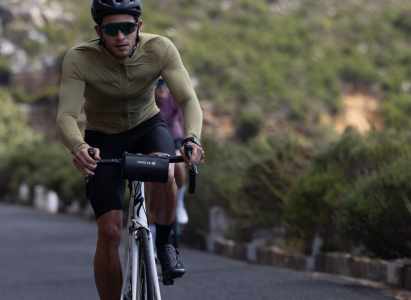
Cycling is a year round sport, it doesn't matter what the weather is, there will be people out exploring on their bikes. If you're branching out into spending more time on your bike, you might be wondering how to dress in order to feel prepared for any type of weather. The key point to remember when dressing for your next ride is to layer up. We're going to talk through the different layers in this guide so you know exactly how to dress for the weather.
How to Layer Your Cycling Outfit
Layering your cycling clothing focuses on your upper half and your extremities. The three layers that are interchangeable are a base layer, jersey or vest and a jacket. Weather depending, you may not need all three or you might start your journey wearing all three then find yourself taking off the jacket when you get too hot. Layering up means you have the flexibility to chop and change with how you feel.
Layer One: Base Layers
The first layer would be a base layer. This is a layer that sits flush to the skin and works to help wick any sweat or moisture away from the skin. It also works to help keep your body temperature regulated. Your body naturally tries to cool itself down by sweating and releasing moisture on the skin. If the air is cold around you, it will cool your sweat down quickly and if that happens on the skin then your body has to work harder to reheat again. Sweat and moisture wicking layers move the moisture away from the skin, which means your body won't feel that need to constantly reheat itself and you can use your energy in better ways.
Base layers come in both long sleeve and short sleeved t-shirts which make them ideal to wear under your jersey, some jerseys are created using sweat wicking fabric technologies which can eliminate the need for a separate layer, but that is something you would need to look into.
When you're shopping for base layers, the two different types of fabric you need to look for are either merino wool or a synthetic fabric blend. They both work in the same way, however merino wool is more expensive. On the plus side, it's an organic fabric and is biodegradable.
Layer Two: Cycling Jerseys
Your cycling jersey will always be the constant when it comes to layering your cycling outfit. Weather depending, you might choose to wear either a long sleeve or short sleeve jersey. Jersey features that you should be looking out for include zipped pockets, reflective sections/panels, elasticated hems and some form of front zip for extra ventilation.
Here at Dare 2b, we have some cycle specific fabric technologies that we use in our cycling jerseys. Stay Seen is our reflective technology which helps to maximise visibility as you move. Ride Fit and Ride Fit Pro shows that the jersey has been engineered with an enhanced level of aerodynamics whilst in the riding position. This helps to minimise bulk whilst allowing endurance and comfort.
Layer Three: Outer Layer/Cycling Jacket
The final layer, the outer layer is your cycling jackets. This outer layer might change depending on the season you're out riding in. If you're riding in the winter months when it's darker for longer, then you may decide to go for a cycling jacket that is reflective all over rather than just having reflective sections or paneling.
Most cycling jackets are created to be lightweight whilst also having water resistant or water repellant finish to them. The main point of them being lightweight means you can take them off when you need too, fold them up into themselves and easily store them away in your cycling backpack.
As well as the Stay Seen technology that we also use in our jerseys, we implement our ARED fabric technology across our range of cycling jackets. ARED has been created to provide high levels of both waterproofing and breathability.
The key point when it comes to your cycling bottoms, you have two options, cycling shorts or tights. There isn't really a way in which you can layer your cycling bottoms, however if you are out cycling with the temperature is low, there are cycling tight options that are fleece lined which will help keep you warmer for longer.
Why Should You Layer Your Cycling Clothing?
Layering your cycling clothing gives you options whilst you're out riding. It means that you can be prepared for most weather eventualities, without feeling like you're wearing too much or too little. If you're looking for what to wear in specific seasons or weather types, we have guides on what to wear cycling in spring, summer, autumn, winter, rain, and at night.