
Are you looking for your next outdoor adventure? Do you enjoy the likes of trail running and trail races? Then you're most likely going to love fell running!
Fell is another word for a mountain or hill and fell running boils down to essentially running and racing in across hills and mountains in all types of terrain. Fell running is seen as slightly more extreme version of trail running. You're not following defined or man made trails, you're going to be running along routes that doesn't have clear cut routes and you're more than likely going to have to navigate yourself through the race and be self sufficient.
What is Fell Running?
Fell is another word for a mountain or hill and fell running boils down to essentially running and racing in across hills and mountains in all types of terrain. Fell running is seen as slightly more extreme version of trail running. You're not following defined or man made trails, you're going to be running along routes that doesn't have clear cut routes and you're more than likely going to have to navigate yourself through the race and be self sufficient.
How Does a Fell Race Work?
A fell race is different to a traditional races as there isn't actually a set route you need to run, you just have checkpoints along that way that you need to reach but you can get to those checkpoints by any route possible. Since fell races are fully immersed in nature, there isn't hydration or aid stations along the route which means you have to provide for yourself along the entire course. This means you'll need more equipment during fell races than other types of races. Depending on the terrain you may need to bring specialist equipment such as studded boots/shoes, a whistle, compass and even food. The kit that you bring with you will need to be specified by the Fell Runners Association (FRA). This ensures that no one can have any advantages over others when you all have the same equipment.
When looking at fell races, they are usually accompanied by different letters which mean different things. S/M/L shows the length of the race, short/S races are 10KM or less, medium/M races are 10-20KM and long/L races are anything over 20KM. Then you also have different categories like A/B/C which show the amounts of climb and decent across the race. A is the hardest, so if you're a beginner you'll be looking for races that are categories as CS.
Some other letters you may come across may be ER and NS. ER stands for experience required and NS stands for navigational skills required. Both of these acronyms will be shown on more technical races and some race organisers may actually ask for proof of previous races ran to ensure that you have enough experience to run these more experienced races.
What to Wear When You're Fell Running
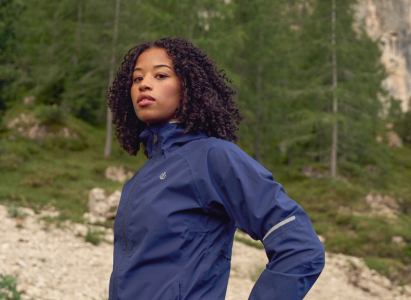
When you're out fell running, you're fully emersed in the environment which also means you're at the behest of whatever weather gets thrown at you, so it's important that you are prepared for anything. This means having lightweight, breathable and waterproof layers that can be easier put on and taken off when needed. Lightweight jackets should be top of the list, then looking at clothing that offers wicking properties which helps to move moisture away from the skin is also beneficial.
Fell running is a the next level up from trail running. It allows you to full emerge yourself into nature whilst also still challenging yourself to try and beat your last time or run a more difficult or a longer course than the last one. Why not sign yourself up to a fell race and experience it yourself?